

About 77% of people with IBS use over-the-counter treatments, yet fewer than 20% of people with IBS-D and fewer than 15% of people with IBS-C report being very satisfied with each OTC option (survey data). That gap means the problem usually isn't finding a product. It's choosing a product that targets your dominant symptom instead of buying a random stack from the digestive-health aisle.
IBS treatment over the counter works best as a routing exercise. Constipation, diarrhea, abdominal pain, gas, and bloating don't respond to the same tools, and a product that helps one symptom can leave another untouched. The recommendations below separate what's worth trying, what tends to underperform, and when self-care has reached its limit.
Table of Contents
- Why the OTC Aisle Is the First Stop for IBS Self-Treatment
- The Main OTC Options and What Each One Actually Does
- Matching OTC Choices to IBS-C, IBS-D, and IBS-M
- Dosing, Timing, and Practical Use Without the Guesswork
- Where OTC IBS Care Falls Short and Why Guidelines Disagree
- Enzymes, Diet, and Stress Habits That Make OTCs Work Better
- Choosing a Quality Supplement Without Getting Sold Hype
- When OTC Stops Being Enough and Your Next Move
Why the OTC Aisle Is the First Stop for IBS Self-Treatment
Historical community data found that 56% of people with IBS used some form of self-treatment, and among them, 43.5% used OTC medication (Salix Medical). The reason is practical. IBS symptoms can disrupt daily life without appearing every day, so patients often seek quick control of bowel movements, urgency, pain, or bloating before building a formal treatment plan.
The OTC aisle sorts products by category, not by the symptom pattern requiring treatment. A laxative can increase stool frequency while worsening bloating. Loperamide can reduce urgency without touching abdominal pain. A probiotic may promise “gut balance” while offering no clear match for constipation, diarrhea, gas, or bloating.
Practical rule: Identify the symptom you need to change first. Choose the product second.
Patient satisfaction remains limited across these self-care choices. Fewer than 15% of IBS-C patients were very satisfied with each OTC option, while fewer than 20% of IBS-D patients reported being very satisfied with their options. OTC products are widely used, but use alone does not show that one product controls the full IBS syndrome.
Match the aisle to the symptom
Use this decision map:
- Low stool frequency or hard stool: Start with soluble fiber, especially psyllium. Add an osmotic option when fiber does not provide enough relief.
- Loose stool or urgency: Use loperamide for stool control. Expect little effect on abdominal pain or the wider IBS-D pattern.
- Abdominal pain or cramping: Choose enteric-coated peppermint oil. It has the clearest OTC case for broader IBS symptom relief.
- Gas after specific foods: Try a food-specific digestive enzyme instead of reaching first for a general probiotic.
- Bloating with irregularity: Stabilize bowel habits before adding another product. Starting several supplements together hides the useful answer and makes side effects harder to identify.
This symptom-first route also exposes where OTC self-care falls short. A product may move stool frequency, pain, gas, or bloating, but rarely all four. Choose the aisle that matches the dominant problem, then reassess rather than building an indiscriminate supplement stack.
The Main OTC Options and What Each One Actually Does
The strongest OTC choices earn their place by targeting one symptom clearly. Products that promise to fix every part of IBS usually deliver less than their labels suggest.
Soluble fiber belongs near the front of the line
Psyllium, also called ispaghula husk, is my first fiber choice for constipation, hard stool, or inconsistent stool form. It absorbs water and forms a gel, which can make hard stool easier to pass and help give loose stool more shape. Insoluble fiber has weaker support for IBS and can worsen gas or cramping for some patients.
A BMJ meta-analysis found fiber, antispasmodics, and peppermint oil more effective than placebo, and identified ispaghula husk as a preferred first-line fiber option (BMJ meta-analysis). Psyllium is not a complete IBS treatment. It earns consideration when stool consistency or frequency is the main problem.
Peppermint oil is the best OTC pain candidate
Choose enteric-coated peppermint oil when abdominal pain, cramping, bloating, or gas dominates your symptoms. A 2022 review found lower odds of non-improvement for overall IBS symptoms and abdominal pain compared with placebo, although adverse events occurred more often and the evidence certainty was very low.
The coating helps the capsule pass beyond the stomach. Peppermint oil can worsen reflux or indigestion, so skip it if upper digestive symptoms appear after use.
Laxatives and antidiarrheals have narrower jobs
PEG, or polyethylene glycol, draws water into the bowel and fits constipation when the immediate goal is softer or more frequent stool. Magnesium-based osmotic products are alternatives, but they do not suit everyone, especially people with kidney disease or medication-related risks. Stimulant laxatives are better reserved for occasional rescue than used as the base of an IBS-C routine.
Loperamide slows intestinal movement and can reduce loose stool, frequency, and urgency. It does not reliably improve abdominal pain, visceral sensitivity, or bloating. Bismuth subsalicylate may help occasional diarrhea, but regular use needs professional guidance rather than becoming an unsupervised long-term IBS plan.
Probiotics and enzymes need a tighter match
Probiotics and synbiotics are commonly used for bloating or “microbiome balance,” yet results vary by formulation and target symptom. A higher CFU count does not guarantee better IBS relief. A product such as GutRx BALANCE offers next-generation probiotics for gut health and digestive balance, but judge it by whether it improves the symptom you selected it to address.
Simethicone may temporarily ease the sensation of trapped gas, but it does not correct the motility or fermentation pattern behind IBS. Digestive enzymes make more sense when symptoms follow a particular food, such as dairy or certain fermentable carbohydrates. For a practical category comparison, see digestive enzymes versus probiotics.
My recommendation is direct. Psyllium and enteric-coated peppermint oil deserve the strongest OTC consideration. PEG and loperamide work when matched to the right bowel pattern. General “IBS” blends, repeated random probiotic changes, and broad gas remedies often underperform because they lack a defined symptom target. Choose one tool for one problem, then judge the result before adding another.
Matching OTC Choices to IBS-C, IBS-D, and IBS-M
Subtype helps, but the dominant symptom still decides the purchase. IBS-C with severe pain needs a different plan from IBS-C with painless, infrequent stool. IBS-D with urgency needs a different plan from IBS-D where bloating is the main complaint.
Use this routing table
| IBS Subtype | First-Line OTC | Symptom Target | Evidence Strength |
|---|---|---|---|
| IBS-C | Psyllium or PEG | Stool frequency, stool softness, straining | Soluble fiber has the strongest OTC fiber support. PEG helps constipation more clearly than global IBS symptoms |
| IBS-D | Loperamide | Loose stool, frequency, urgency | Useful for stool control, not a complete IBS treatment |
| IBS-D with pain | Enteric-coated peppermint oil | Abdominal pain, cramping, bloating | Supported by placebo-controlled evidence, with low certainty |
| IBS-M | Psyllium for stability, peppermint oil for pain | Stool variability and abdominal discomfort | Match the tool to the current symptom rather than treating on autopilot |
For IBS-C, start with psyllium if you can tolerate gradual fiber increases. Move toward PEG when stool remains hard or infrequent. Magnesium may be an alternative, but it can push some people toward loose stool. Stool softeners are not my preferred primary strategy because they often fail to change the broader constipation pattern.
For IBS-D, loperamide earns its place when the immediate problem is loose stool or urgency. If pain and bloating dominate, taking more loperamide is a misallocation. Enteric-coated peppermint oil is more logical for that symptom mix, provided reflux isn't a concern.
IBS-M requires rotation by symptom, not a fixed daily pile of products. Use a stool-normalizing approach during constipation phases, then reserve stool-control medication for genuine diarrhea episodes. Track what the bowel is doing before taking anything, and don't use an antidiarrheal just because the abdomen feels swollen.
Patients choosing a supplement for constipation can also review probiotics for IBS-C, but a probiotic should support a defined plan rather than replace basic stool assessment, fiber strategy, or medical evaluation when symptoms persist.
Dosing, Timing, and Practical Use Without the Guesswork
OTC treatment works better when you change one variable at a time. Starting several products together, switching every few days, or judging a slow fiber intervention too soon makes the result impossible to read. Track stool form, frequency, urgency, pain, and bloating, then keep the plan stable long enough to identify a pattern.
A practical starting routine
- Psyllium: Begin with 5 grams once daily, then increase gradually toward 20 to 25 grams per day, divided across meals, if tolerated. Take it with adequate fluid. Separate fiber from oral medicines by at least 30 minutes, since fiber can affect medication absorption.
- PEG: For IBS-C, a common starting approach is 17 grams daily, mixed as directed. Reduce or pause it if stool becomes loose or cramping increases.
- Loperamide: For IBS-D, 2 milligrams before a known trigger meal may help control loose stool or urgency. Follow the product label. Do not self-treat diarrhea that comes with bleeding, fever, or severe pain.
- Antispasmodics: Hyoscine or dicyclomine may be taken 20 to 30 minutes before meals when a clinician recommends them. Side effects matter, and these medicines are not suitable for everyone.
- Enteric-coated peppermint oil: Use the studied range of 0.2 to 0.4 milliliters three times daily on an empty stomach, as noted earlier. Stop if reflux or upper-abdominal discomfort develops.
A probiotic trial can run for up to 12 weeks, then stop if symptoms have not improved, consistent with BSG guideline. Do not add three products during that trial. You need to know whether the formula helped, failed, or caused extra gas.
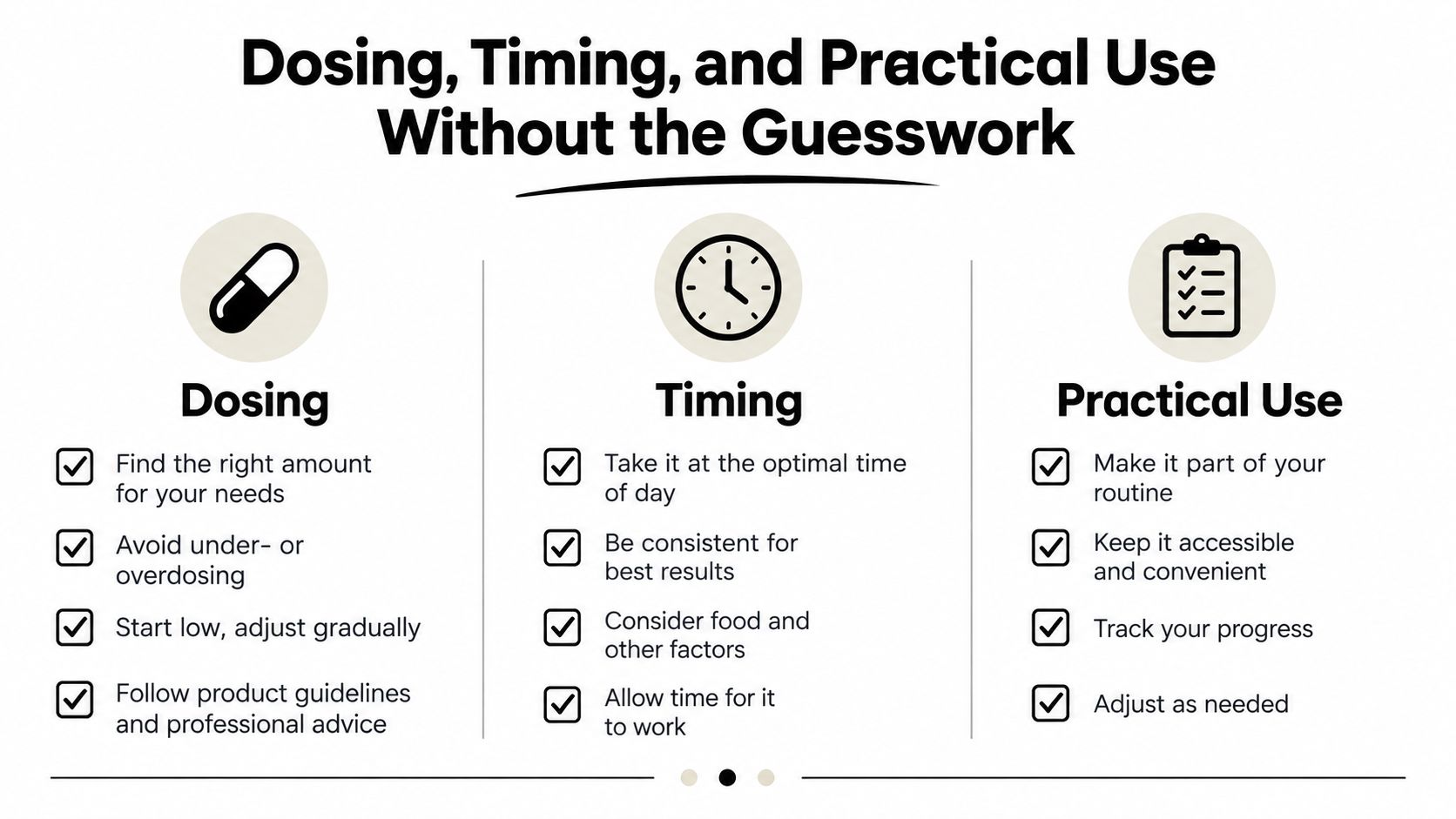
Reduce or pause a product when diarrhea, cramping, or excessive gas appears. Stool softeners are a poor primary choice when IBS-C centers on slow transit or infrequent bowel movements.
Where OTC IBS Care Falls Short and Why Guidelines Disagree
The wrong conclusion from disappointing OTC treatment is that you need more products. The better conclusion is that the product may be targeting the wrong endpoint.
The American College of Gastroenterology recommends against PEG, loperamide, antispasmodics, probiotics, and bile acid sequestrants for global IBS outcomes, while other professional societies still recommend some of those options for subtype-specific relief (American Gastroenterological Association guidance roundup). That isn't necessarily a contradiction. Global IBS improvement includes pain, bowel habits, bloating, and overall symptom burden. A product can improve one part without improving the whole syndrome.
Read guideline differences by outcome
| Option | ACG | NICE | BSG |
|---|---|---|---|
| PEG | Not recommended for global IBS outcomes | May be used for constipation-focused relief | Used selectively for constipation |
| Loperamide | Not recommended for global IBS outcomes | Used for diarrhea and stool control | Used selectively for diarrhea |
| Antispasmodics | Not recommended for global IBS outcomes | May be considered for pain and spasm | May be considered for symptom relief |
| Probiotics | Not recommended as a universal global IBS treatment | Product and response dependent | Trial for up to 12 weeks, then stop if ineffective |
PEG can soften stool while leaving abdominal pain untouched. Loperamide can reduce urgency while leaving bloating and sensitivity untouched. Antispasmodics may help spasms but can bring anticholinergic side effects. Probiotics can be strain-specific, inconsistent, and difficult to evaluate when products don't identify their exact strains clearly.
The uncomfortable truth: OTC care is strongest for isolated symptoms and weakest for bloating-dominant, pain-dominant, or multi-symptom IBS.
Post-meal urgency, visceral hypersensitivity, and persistent bloating often need more than a stool-directed product. If you're repeatedly changing brands without tracking the outcome, the next useful step is a structured plan, not another shelf scan. A broader review of IBS treatment guidelines can help explain why two recommendations may appear different while targeting different outcomes.
Enzymes, Diet, and Stress Habits That Make OTCs Work Better
Digestive enzymes make the most sense when a symptom follows a predictable meal. If bloating, cramps, or diarrhea begin shortly after eating, often within 30 to 90 minutes, an enzyme-related problem may be worth considering (digestive enzymes and FODMAP digestion).
The choice should match the food:
- Lactase: Consider it when dairy consistently causes symptoms.
- Alpha-galactosidase: Useful for meals containing certain gas-producing carbohydrates, such as beans.
- FODMAP-focused enzymes: May help when the problem is limited digestion of particular fermentable carbohydrates.
- Broad enzyme blends: Treat these skeptically if the label doesn't identify the enzymes and their intended food targets.
A digestive enzyme won't repair every cause of IBS bloating. It can reduce the burden from a specific meal, which is a narrower and more realistic promise.
Use diet as a diagnostic tool, not a permanent punishment
A structured low-FODMAP elimination can help identify triggers, but it should lead to reintroduction rather than indefinite restriction. A gentler FODMAP approach, regular meals, slower eating, and smaller portions often fit long-term maintenance better than trying to eliminate every suspected food.
Stress management matters because gut symptoms and nervous-system activation can reinforce each other. Gut-directed hypnotherapy, cognitive behavioral therapy, and diaphragmatic breathing can complement OTC treatment, especially when pain, urgency, or symptom vigilance remains high. These tools don't compete with fiber or loperamide. They address a different part of the symptom loop.
Build a simple routine: use psyllium for stool stability if needed, reserve enzymes for predictable food triggers, keep meals consistent, and practice slow diaphragmatic breathing before eating. That combination is usually more useful than layering a probiotic, enzyme, antacid, laxative, and gas product without a clear target.
Choosing a Quality Supplement Without Getting Sold Hype
A supplement label should answer five questions before you buy it:
- Who verified it? Look for credible third-party verification such as USP, NSF, or ConsumerLab where applicable.
- Can you inspect the batch? A downloadable, batch-specific Certificate of Analysis is more useful than a generic “tested” statement.
- Are the strains specific? A probiotic should identify genus, species, and strain, with the CFU claim tied to a defined formulation.
- Does delivery fit the ingredient? Enteric coating matters for peppermint oil, and delayed-release protection may matter for acid-sensitive probiotic formulations.
- Are standards clear? Non-GMO, vegan, and allergen-free claims should be stated precisely rather than implied by packaging.
Apply the checklist to the bottle in your hand
A cheap generic peppermint capsule may identify peppermint oil but omit enteric coating, testing documentation, or a clear amount per serving. That bottle may still be legal to sell, but it gives you fewer ways to judge whether it matches the evidence.
A multi-strain probiotic may list a large CFU number yet hide the strains inside a proprietary blend. If it doesn't disclose strain-level details, a high count doesn't tell you whether the product resembles any clinically studied formulation.
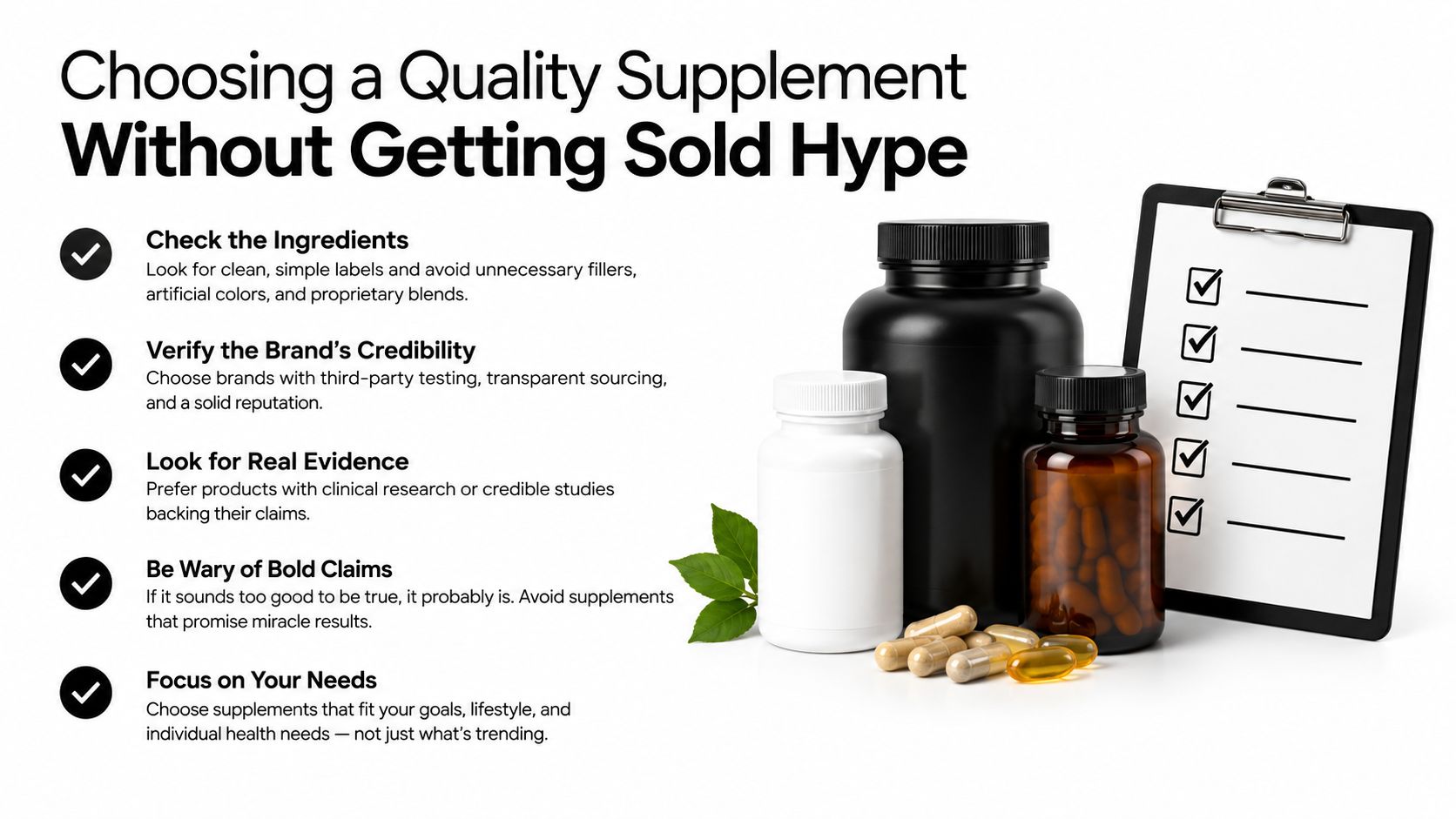
Watch for these red flags:
- Proprietary blends: No strain-level information or meaningful CFU breakdown.
- Vague enzyme wording: “Digestive enzyme blend” without named enzymes or food targets.
- IBS complex claims: A broad condition-focused promise without clinical backing.
- Missing testing records: No batch documentation despite strong purity language.
- Delivery confusion: No explanation of whether the capsule protects a sensitive ingredient.
Quality control doesn't guarantee symptom relief. It does help you avoid paying for a label that gives you no practical way to assess identity, potency, or fit.
When OTC Stops Being Enough and Your Next Move
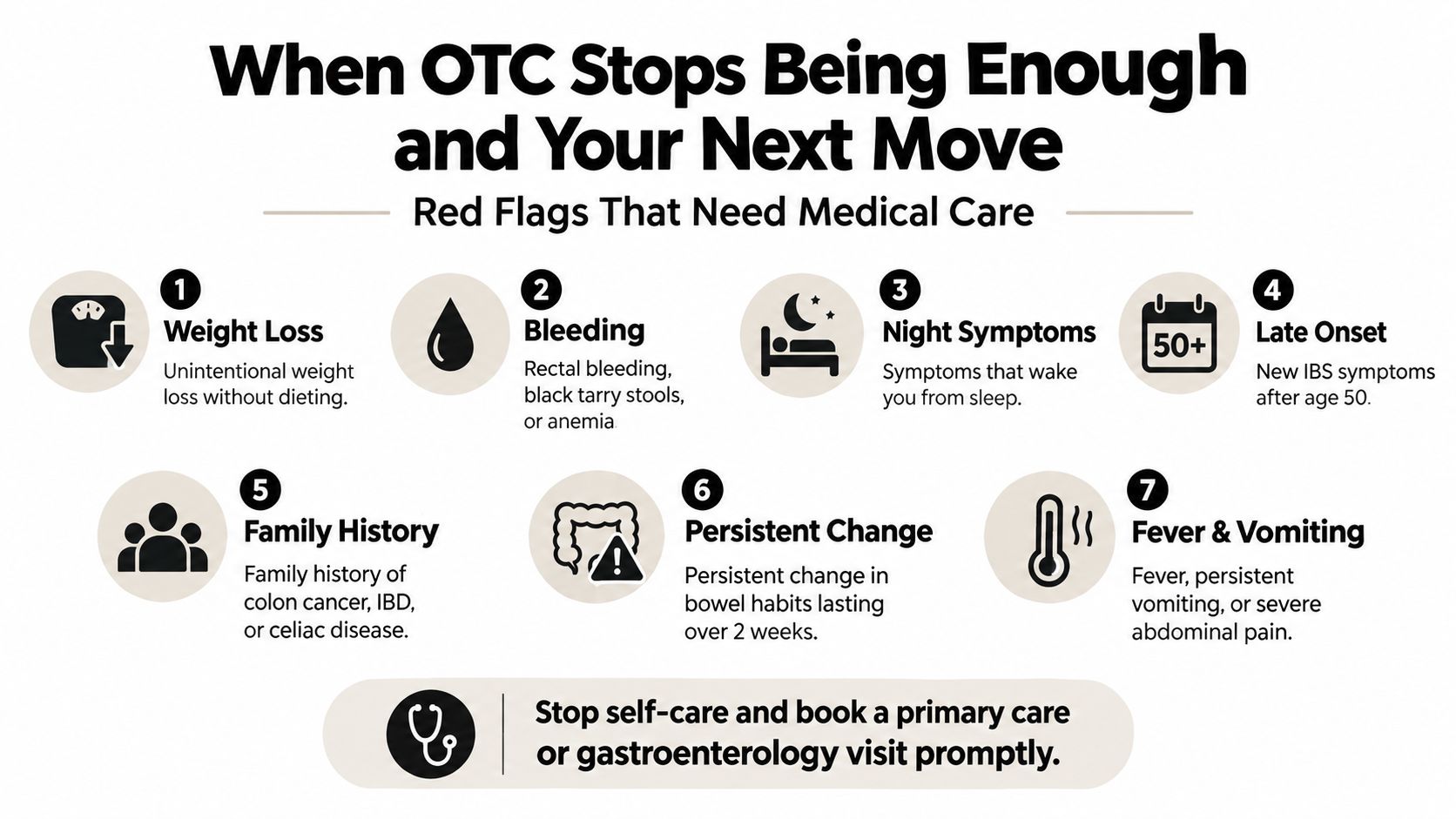
OTC self-care has reached its limit when symptoms suggest something beyond routine IBS or when a structured trial produces no meaningful improvement. Seek medical evaluation for unintentional weight loss, GI bleeding, anemia, nocturnal symptoms, new symptoms after age 50, a family history of colorectal cancer or celiac disease, or worsening pain that doesn't respond to a structured trial.
A clinician may consider basic laboratory testing, celiac screening, stool studies, and a more specific diagnosis before recommending prescription treatment. Depending on the subtype and findings, options may include rifaximin, eluxadoline, alosetron, linaclotide, plecanatide, or tenapanor. The point isn't to replace OTC care automatically. It's to stop wasting time swapping brands when the symptom pattern needs a different level of evaluation.
If you have a red flag, book a primary care or gastroenterology visit within two weeks. If you don't, follow one consistent OTC and lifestyle routine for 8 to 12 weeks before deciding that it failed, unless symptoms worsen sooner.
GutRx offers targeted digestive-support formulas, including probiotics and digestive enzymes designed around different use cases such as regularity, digestive balance, and meal-related discomfort. Review the options and choose a formula that matches your dominant symptom pattern by visiting GutRx.


