

You're halfway through a meal when a tight, twisting pain starts under your ribs or low in your abdomen. You may wonder whether to wait it out, reach for an antacid, skip dinner, or search for a supplement. How to ease stomach cramps depends on what's causing them, because gas, constipation, diarrhea, meal-triggered IBS, infection, menstrual pain, and urgent abdominal conditions don't respond to the same remedy.
For mild cramps that are familiar and improving, simple measures such as rest, warmth, clear fluids, and temporary dietary changes may help. Recurrent or worsening pain needs a different approach, especially when it comes with vomiting, fever, bleeding, localized tenderness, or difficulty keeping fluids down.
Table of Contents
- Why Stomach Cramps Happen and What Relief Depends On
- How to Get Immediate Relief When Cramps Hit
- What to Eat and Avoid in the Next 24 to 48 Hours
- Long Term Habits That Help Prevent Recurring Cramps
- Do Probiotics Enzymes and Other Supplements Help With Cramps
- When to Seek Medical Care and What to Track Before You Go
Why Stomach Cramps Happen and What Relief Depends On
Consider two people with the same complaint. One develops cramping and bloating after a large meal, then feels better after passing gas or having a bowel movement. Another has pain that keeps intensifying in one specific area, along with vomiting or fever. Calling both experiences “stomach cramps” hides the most important fact, the cause determines the safest relief strategy.
Mild, recurring cramps often accompany gas, bloating, constipation, diarrhea, food triggers, or stress-related changes in gut movement. Irritable bowel syndrome, or IBS, is one common explanation. It affects about 11% of people globally, while U.S. estimates range from 7% to 16%, and North American estimates are commonly cited at 5% to 10% according to this clinical overview of IBS. Prevalence peaks around ages 20 to 40, and women are affected more often than men, with some Western estimates showing about a 2:1 ratio in this same source.
Why meal patterns matter
A recurring connection with food can provide a useful clue. In an international study of people with Rome IV IBS, 561 of 752 participants, or 74.6%, reported meal-related abdominal discomfort or pain at least half the time over the previous three months, as reported in this international IBS study. That doesn't mean every cramp after eating is IBS. It does mean meal timing, portion size, ingredients, and bowel changes deserve attention when pain keeps returning.
IBS is a gut-brain disorder, so symptoms may shift with constipation, diarrhea, stress, and meals rather than follow one fixed pattern. Relief often comes from identifying the pattern instead of searching for one universal cure.
A useful distinction: A familiar cramp that settles is different from pain that is new, severe, localized, or steadily worsening.
The practical framework is simple. First, calm a mild episode and support hydration. Next, reduce digestive workload while symptoms settle. Later, track triggers and choose targeted support only when the symptom pattern makes sense. If warning signs appear, home care should give way to medical evaluation.
How to Get Immediate Relief When Cramps Hit
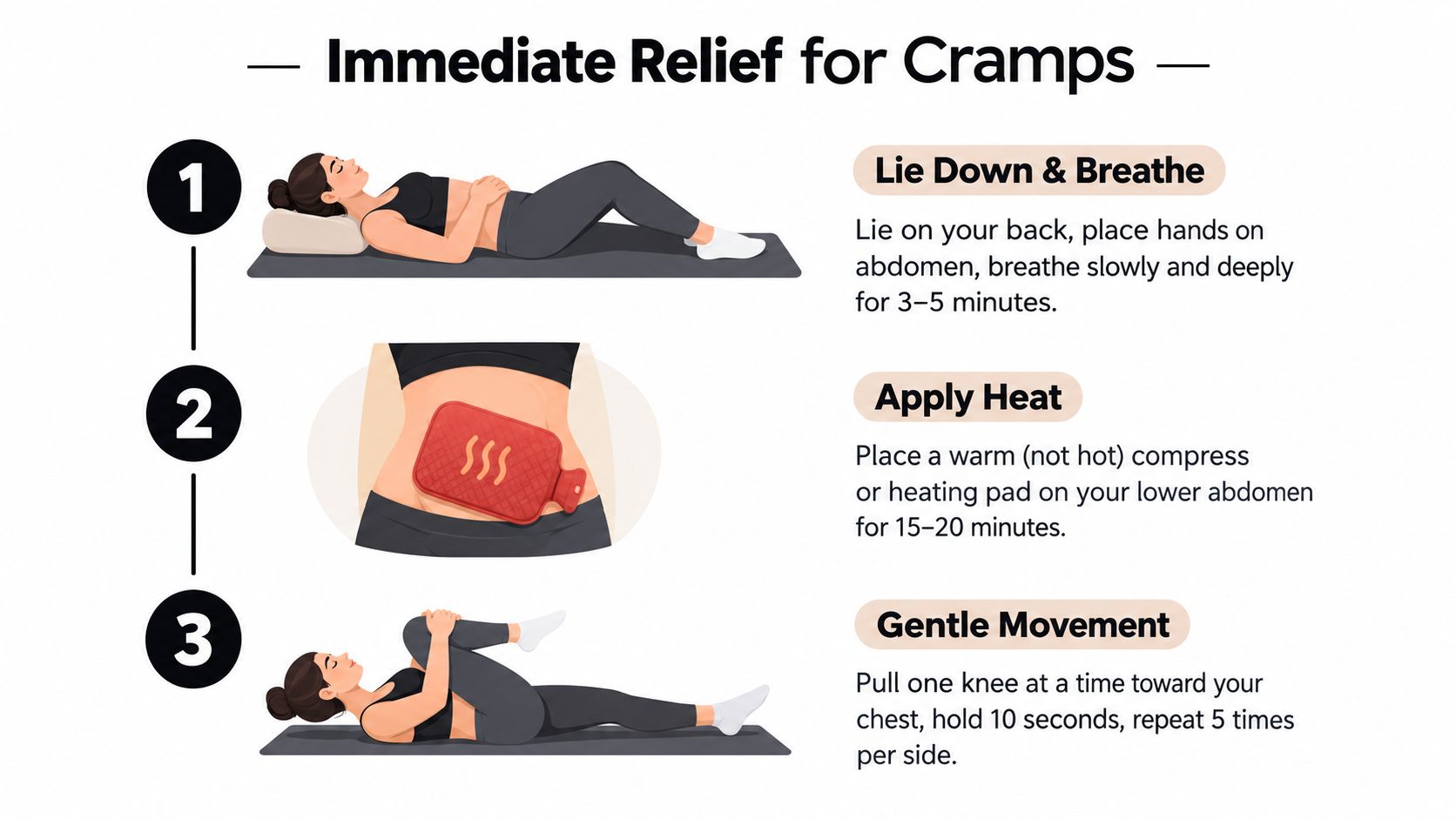
Start with the least complicated measures. Stop eating for the moment, sit or lie in a comfortable position, and take slow breaths that allow your abdomen to soften. Gentle movement can help if gas or muscle tension is contributing, but stop if movement increases pain.
Use warmth and gentle movement
Place a warm, not hot, compress over the painful area while you rest. A relaxed position and warmth may make cramping feel less intense, especially when abdominal muscles are tightening. Avoid falling asleep with a heating pad on high heat, and don't use heat to postpone care for severe or unexplained pain.
Try a small amount of movement if the pain feels gas-related or diffuse. Walking slowly around the room, changing position, or drawing one knee gently toward your chest can be more comfortable than strenuous exercise. Don't force a stretch or massage a tender, sharply painful area.
Sip fluids carefully
Take small sips of water or another clear fluid. If vomiting or diarrhea has occurred, small amounts of oral rehydration solution or a sports drink may help replace fluids and electrolytes. Drinking quickly can worsen nausea, so go slowly and pause if your stomach reacts.
If nausea is prominent, avoid solid food for the first few hours. Guidance from MedlinePlus on abdominal pain and home care supports clear fluids, gradual reintroduction of bland foods after vomiting, and temporary avoidance of several common irritants.
Choose medication based on the pain
For functional, crampy bowel pain, an antispasmodic may be appropriate when episodes are frequent or disruptive. IBS guidance also includes peppermint oil among commonly used options for abdominal pain and cramping. The clinical review of antispasmodic treatment notes that if one antispasmodic doesn't help, a different option may be worth discussing with a clinician or pharmacist.
Antacids and proton pump inhibitors, or PPIs, target acid-related symptoms. They're probably inappropriate for lower, cramping abdominal pain when acid isn't the suspected cause. For practical guidance on gas-related discomfort, see how to reduce bloating fast.
If cramps repeatedly follow meals, GutRx MEALTIME is a digestive enzyme supplement positioned to support digestion, reduce bloating, and enhance nutrient absorption. It isn't a diagnosis or a universal treatment for abdominal pain.
Seek help rather than continuing self-care if pain is worsening, sharply localized, or accompanied by fever, repeated vomiting, bleeding, or inability to keep fluids down.
What to Eat and Avoid in the Next 24 to 48 Hours
Once the cramp eases, don't rush straight back to a heavy meal. Give your digestive system a gradual restart, particularly if nausea, vomiting, or diarrhea came with the pain.
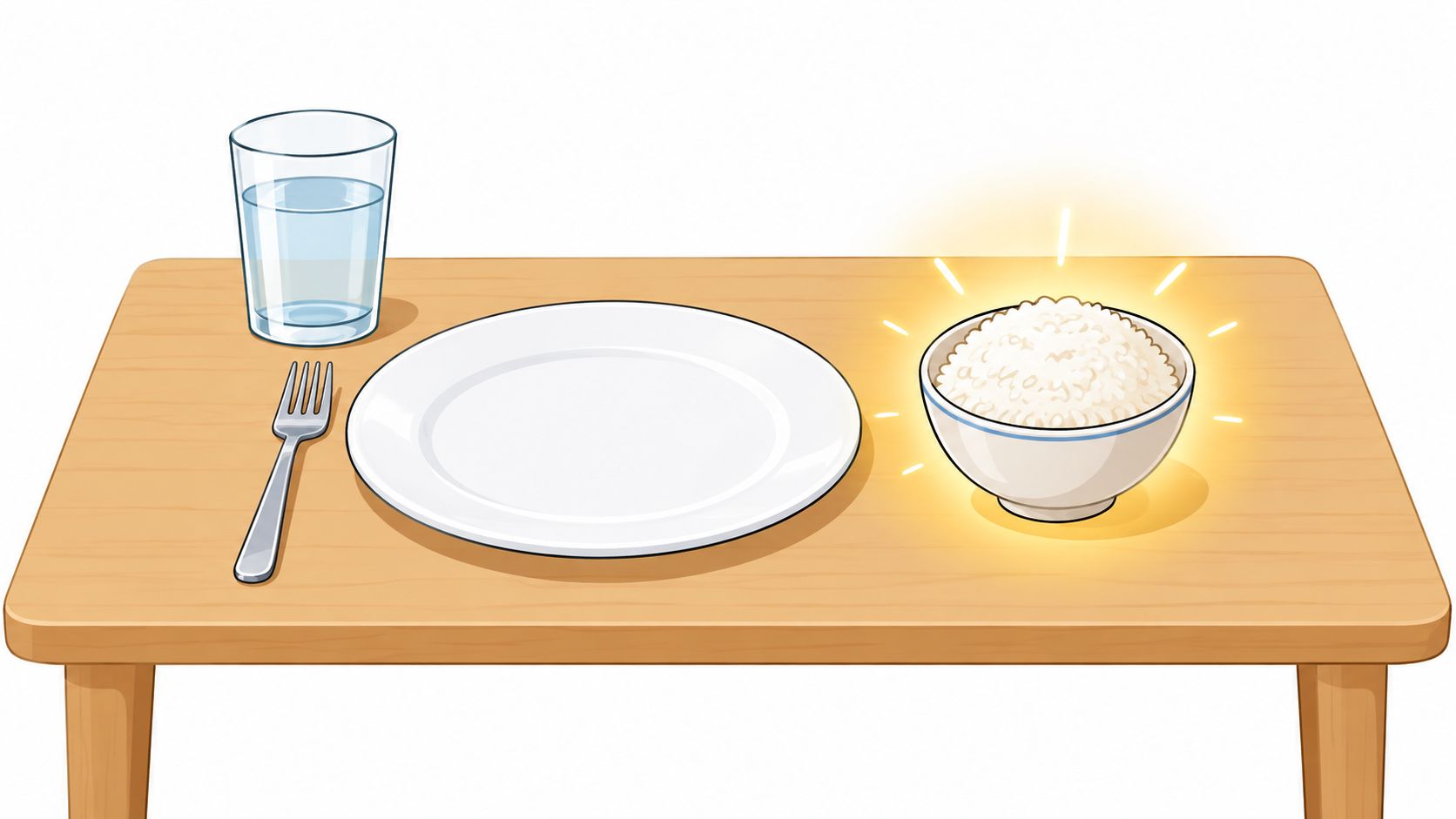
For the first few hours, focus on small sips of water or clear fluids. If you're keeping fluids down and hunger returns, begin with small portions of bland foods such as rice, applesauce, or crackers. Plain toast, bananas, broth, or oatmeal may also feel easier to tolerate, but your response matters more than following a rigid menu.
Temporarily reduce common irritants
MedlinePlus advises limiting foods and drinks that can aggravate an unsettled digestive tract. For the short recovery window, consider avoiding:
- Dairy: Milk and other dairy foods may feel harder to tolerate after an acute digestive upset.
- High-fat and fried foods: Greasy meals can place more demand on digestion.
- Citrus and tomato products: These may aggravate symptoms in some people.
- Caffeine, alcohol, and carbonated drinks: These can worsen nausea, irritation, or bloating for some individuals.
You don't need to eliminate every food indefinitely because one episode followed a meal. The purpose of a short reset is to reduce stimulation while you learn whether symptoms settle.
Reintroduce food in small steps
Use portion size as a tool. A small bowl of rice may be easier to assess than a large mixed meal containing fat, dairy, spice, and several fermentable carbohydrates. If symptoms return, pause and record what happened rather than repeatedly adding new foods.
A simple log can include the meal, approximate timing, cramp location, bowel movement changes, nausea, and stress level. Meal-related discomfort is common in IBS, but a pattern is more useful than guessing from one isolated reaction.
GutRx DAILY is described as containing strains selected to help shape and move bowel movements, with prebiotics intended to feed those probiotics for benefits that build over time. That type of product belongs in a longer-term regularity discussion, not as a substitute for hydration or evaluation during acute vomiting, severe diarrhea, or red-flag pain.
Long Term Habits That Help Prevent Recurring Cramps
Prevention works best when it makes your symptoms more predictable. Instead of removing large groups of foods at once, look for repeated links among meal timing, portion size, bowel habits, sleep, stress, and movement.
Build a repeatable daily rhythm
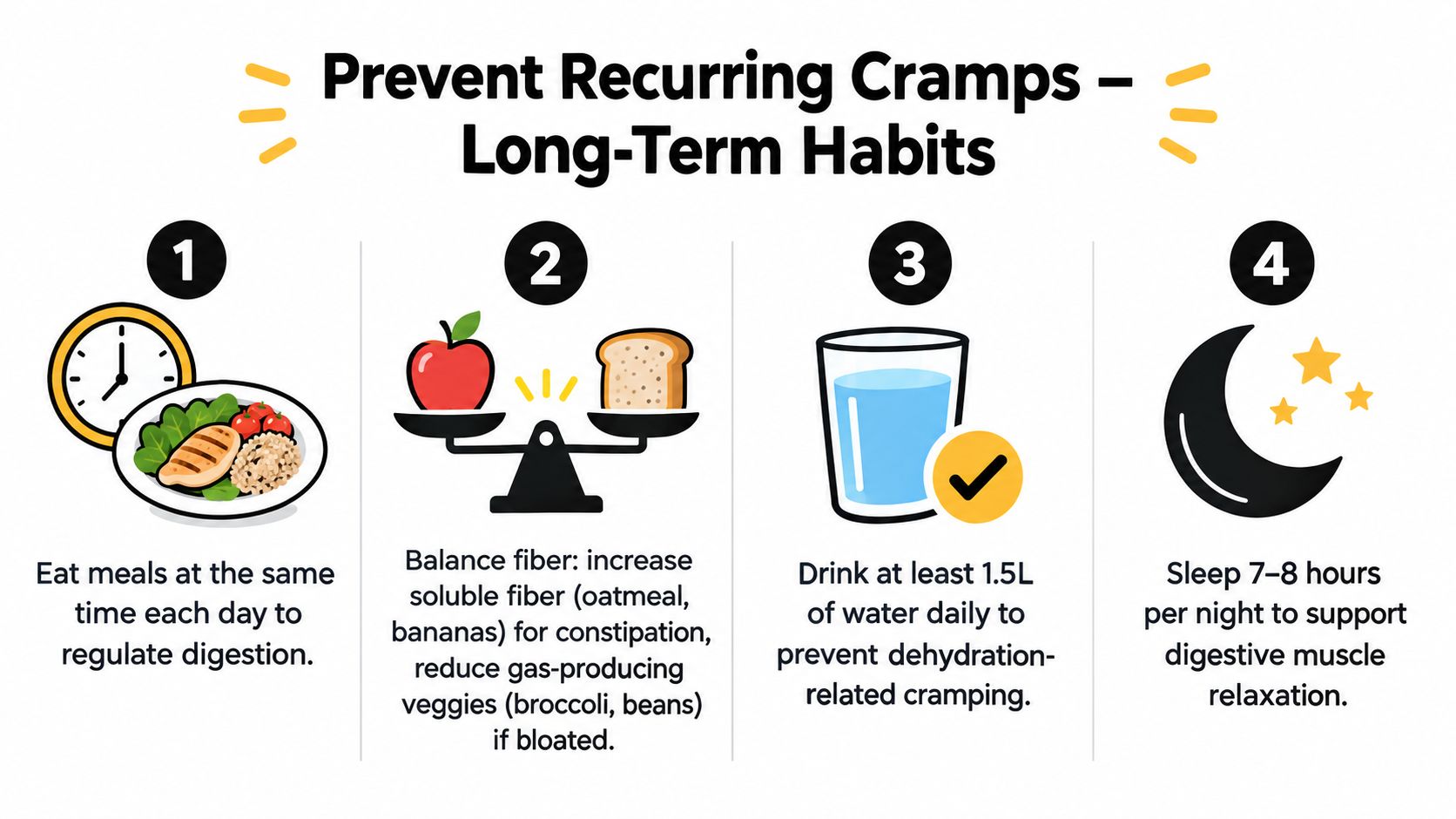
Eating at roughly consistent times can make it easier to notice whether cramps follow long gaps, large portions, or particular meals. Eat slowly, chew thoroughly, and avoid rushing through food while distracted. A gentle walk after eating may also feel better than lying down immediately, provided movement doesn't increase pain.
Fiber needs a pattern-specific approach. If constipation is part of the problem, gradually adding tolerable sources of soluble fiber may help. If bloating and gas dominate, large servings of gas-producing foods may be worth reducing while you identify your personal threshold. Rapidly increasing fiber can itself worsen discomfort, so change one variable at a time.
Stress doesn't mean symptoms are imaginary. The gut and brain communicate continuously, and stress can influence bowel movement, pain sensitivity, and urgency. A consistent wind-down routine, breathing practice, adequate rest, and manageable physical activity can support the broader plan.
Treat elimination diets as structured experiments
A low-FODMAP approach may help some people identify fermentable carbohydrate triggers, but it shouldn't become an unsupervised permanent restriction. A structured trial followed by careful reintroduction is more informative than removing foods indefinitely and losing track of what you can tolerate.
Use a short symptom record to compare patterns:
- Meal details: Note ingredients, portion size, and whether the meal was particularly fatty or large.
- Timing: Record when cramping begins relative to eating.
- Bowel pattern: Mark constipation, diarrhea, urgency, or an unchanged bowel movement.
- Context: Include sleep quality, stress, activity, and menstrual timing when relevant.
The aim is consistency, not perfection. If cramps continue despite reasonable adjustments, a clinician can help distinguish IBS from food intolerance, medication effects, infection, or another condition.
Do Probiotics Enzymes and Other Supplements Help With Cramps
Supplements can be useful only when they match the problem. Probiotics aren't one uniform category, and products may contain different organisms, strains, combinations, doses, and delivery systems. International IBS guidance recommends considering only specific strains or combinations that have been tested for efficacy, while rating the recommendation as weak and the evidence quality as very low for overall IBS symptoms, bloating, and diarrhea, as described in this IBS probiotic guideline.
Guidelines don't fully agree. The American College of Gastroenterology recommends against probiotics for global IBS symptoms in its clinical guideline, while the American Academy of Family Physicians describes probiotics as somewhat effective for IBS and constipation in children and adults in this clinical summary. That difference is why broad promises about “gut balance” should be treated cautiously.
Match the support to the symptom pattern
| Symptom pattern | Support type to consider | What to look for | When to reassess |
|---|---|---|---|
| Meal-related bloating or discomfort | Digestive enzymes | Enzymes matched to the suspected food, such as dairy or fermentable carbohydrates | Reassess if the food pattern remains unclear or pain persists |
| Recurrent constipation or irregularity | Probiotic, prebiotic, or synbiotic support | Named strains, transparent ingredients, and a clear regularity focus | Stop or reassess if symptoms don't improve during a defined trial |
| Diarrhea-type IBS symptoms | Carefully selected probiotic support | Strain-specific evidence and guidance from a healthcare professional | Reassess if diarrhea is persistent, severe, or accompanied by warning signs |
| Broad, unexplained abdominal pain | Clinical evaluation first | Don't use supplements to mask new, localized, or worsening pain | Seek medical advice rather than extending self-treatment |
Digestive enzymes make more sense for meal-related discomfort, especially when a particular food category repeatedly causes symptoms. Probiotics are generally considered for microbiome or bowel-pattern support, not instant relief from an acute cramp.
The British Society of Gastroenterology advises trying a probiotic for up to 12 weeks and stopping if symptoms don't improve, according to its IBS management guideline. When comparing products, look for strain transparency, third-party testing, downloadable Certificates of Analysis, and delayed-release protection where appropriate. Digestive enzymes and probiotics serve different purposes, so choosing between them should start with the trigger pattern.
GutRx offers Daily for regularity-focused support, Balance for bloating and digestive balance, and Mealtime for meal-related enzyme support. Those categories illustrate why the same supplement shouldn't be presented as the right answer for every kind of cramping.
When to Seek Medical Care and What to Track Before You Go
Mild cramps that are familiar, diffuse, and improving may settle with the measures above. Don't rely on home care when pain is new and worsening, becomes sharply localized, or appears with fever, persistent vomiting, blood in the stool, or an inability to keep fluids down. Serious causes can include appendicitis, pancreatitis, bowel obstruction, and ectopic or ovarian conditions, so severe symptoms deserve prompt evaluation.
Contact a clinician or seek urgent care when the pain pattern doesn't fit your usual digestive symptoms. Don't assume that taking an antacid, probiotic, enzyme, or pain reliever makes continued observation safe.
Before you go, write down:
- Timing: When the pain began and whether it followed eating.
- Location: Where it started and whether it moved or became localized.
- Bowel changes: Constipation, diarrhea, urgency, or blood.
- Associated symptoms: Fever, vomiting, bloating, dizziness, or reduced ability to drink.
- Recent context: New foods, travel, medications, menstrual timing, sick contacts, or unusual stress.
This information helps a clinician distinguish a recurring functional pattern from an acute illness. For broader context on digestive symptoms and microbiome concerns, see gut bacteria imbalance symptoms.
The safest action plan is straightforward. Calm a mild episode, hydrate, simplify food temporarily, and track repeated triggers. Arrange medical follow-up for recurring cramps, and seek urgent care when warning signs appear.
GutRx offers targeted digestive support categories for regularity, digestive balance, women's gut and urinary wellness, and meal-related enzyme support. Visit GutRx to compare the option that best matches your symptom pattern, and review product details before adding a supplement to your routine.


