

Diarrhea rarely arrives at a convenient time. One hour you're fine, the next you're scanning the bathroom, trying to figure out whether this is a one-day bug, something you ate, or the start of a longer gut flare.
If you want how to stop diarrhea naturally, start with the cause, then match the remedy to the mechanism. Rehydration comes first, food choices come second, and a few targeted remedies can help depending on whether you're dealing with infection, antibiotics, dairy, or IBS-type irritation.
Table of Contents
- What Counts as Diarrhea and Why It Happens
- Rehydrate First With Electrolytes, Not Just Water
- Eat Smart With the BRAT Framework and Beyond
- Home Remedies That Actually Shorten Symptoms
- Probiotics, Synbiotics, and Enzymes That Target the Cause
- Your First 24–48 Hour Action Plan
- Red Flags, Recovery, and How to Prevent the Next Episode
What Counts as Diarrhea and Why It Happens
A sudden stretch of loose stools usually has a pattern, and that pattern tells you what to do next. Acute diarrhea means loose or watery stools that happen several times in a day and do not keep going long term. Ongoing diarrhea needs a different workup and should not be handled like a short-lived stomach bug.
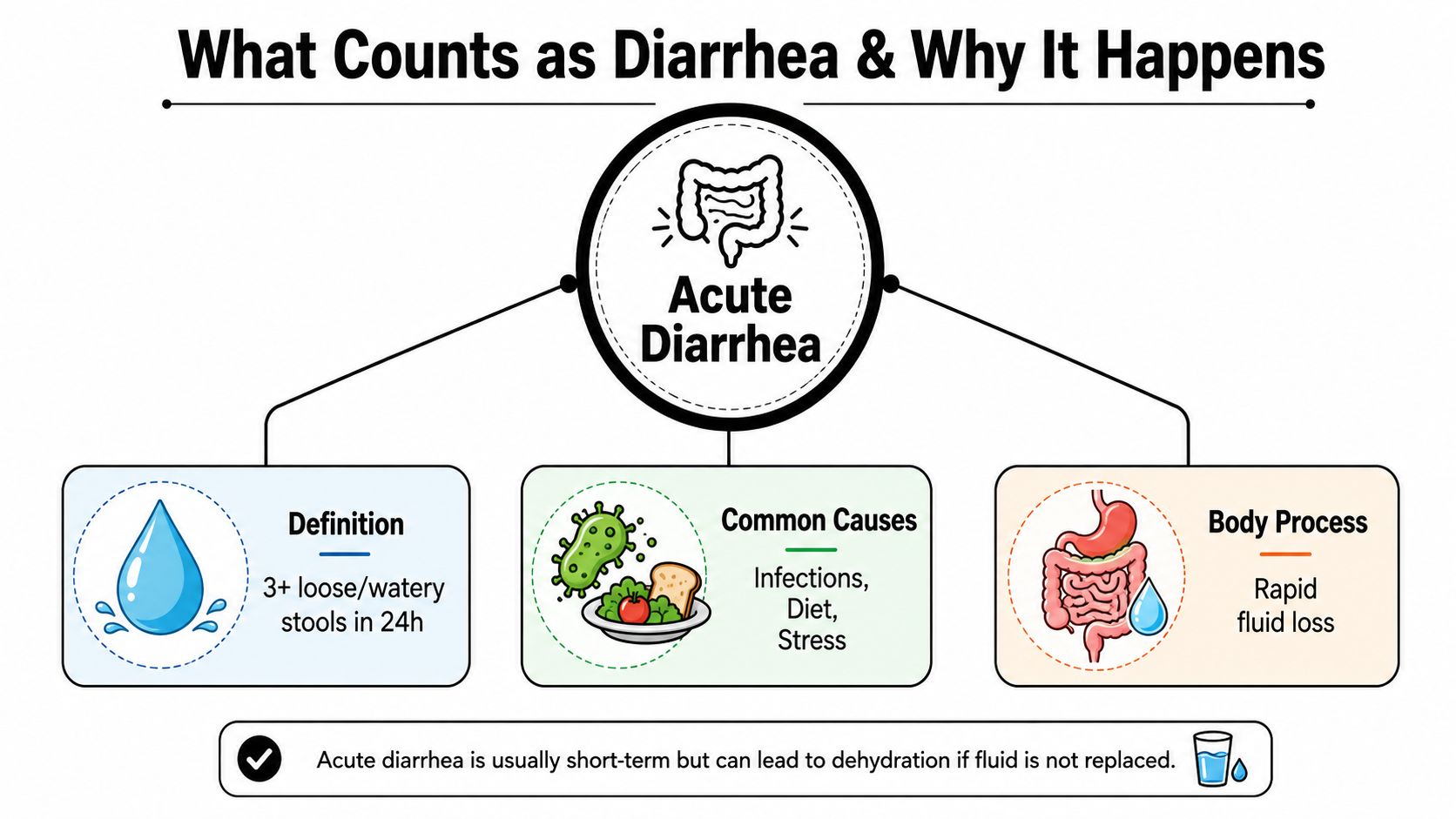
The most common causes point to different fixes
The cause matters because the right home remedy depends on what is driving the stool changes. A viral stomach bug often starts suddenly and brings nausea, cramping, and a sense that the whole household is getting sick. Foodborne illness is more likely when symptoms start after a meal that seemed off, or after other people who ate the same food develop symptoms. Antibiotics can disrupt the gut environment. IBS-D flares usually follow a pattern the person has seen before.
Practical rule: if the trigger looks infectious, focus on hydration and rest. If the trigger looks like food intolerance or antibiotic disruption, the next step changes.
A quick self-check makes the rest of the article easier to use. If you are trying to sort out whether a food might be part of the problem, a focused question like can pumpkin seeds cause diarrhea can help you think through a possible trigger before you assume every episode has the same cause. The point is not to diagnose yourself from a single symptom, but to match the pattern to the most likely bucket.
A quick self-check for the four big buckets
- Viral gastroenteritis: Did this start suddenly with nausea, body aches, or contact with someone else who was sick? If yes, rest, fluids, and time usually matter more than chasing food triggers.
- Bacterial foodborne illness: Did symptoms begin after a risky meal, undercooked food, or food that sat out too long? If yes, watch hydration closely and pay attention to fever, severe pain, or blood.
- Antibiotic-associated disruption: Did diarrhea start during or soon after antibiotics? If yes, the gut may need time to recover, and the medication history matters as much as the stools themselves.
- IBS-D flare: Is this a familiar pattern tied to stress, a specific food, or a known IBS history? If yes, look for your usual trigger rather than treating it like a new infection.
If you can place your story into one of those buckets, the next steps become more specific. Infection-related diarrhea calls for a different home plan than food intolerance, and antibiotic-related diarrhea deserves a different response than an IBS flare.
Rehydrate First With Electrolytes, Not Just Water
When diarrhea starts, fluids leave fast, and plain water alone usually isn't enough. Oral rehydration works because it replaces fluid plus electrolytes, and the glucose in an oral rehydration solution helps the intestine absorb that fluid more efficiently. That is why this approach is a standard home strategy for acute diarrhea. NIDDK diarrhea treatment guidance
What to drink and how much to aim for
MedlinePlus gives a concrete hydration target, 8 to 10 glasses of clear fluids every day, plus at least 1 cup, 240 milliliters, after every loose bowel movement. That turns vague advice into something measurable. If you're going several times a day, the number of cups matters more than whether you feel thirsty yet. MedlinePlus diarrhea patient instructions
A practical pattern is to sip steadily instead of chugging. Small, frequent sips are easier to keep down and more useful than trying to catch up with a big glass later. Broths and electrolyte-balanced drinks fit this goal well, especially if nausea is part of the picture.
What usually works better than plain water
If you don't have oral rehydration solution on hand, a simple homemade mix can work in a pinch.
- 1 liter of clean water
- 6 teaspoons of sugar
- 1/2 teaspoon of salt
That mix gives the gut both sodium and glucose, which is the point of oral rehydration. Sports drinks and coconut water can be acceptable shortcuts for some adults, but they're less precise than a true oral rehydration mix. Sugary fruit juice and caffeine can make things worse, especially if the diarrhea is already watery.
Drink enough to keep urine coming regularly. Dark urine and dizziness usually mean you're falling behind.
The difference between helpful and unhelpful hydration shows up quickly at the bedside. If you're still getting lightheaded when you stand, not urinating much, or feeling a racing pulse, the plan isn't keeping pace. At that point, home care may not be enough.
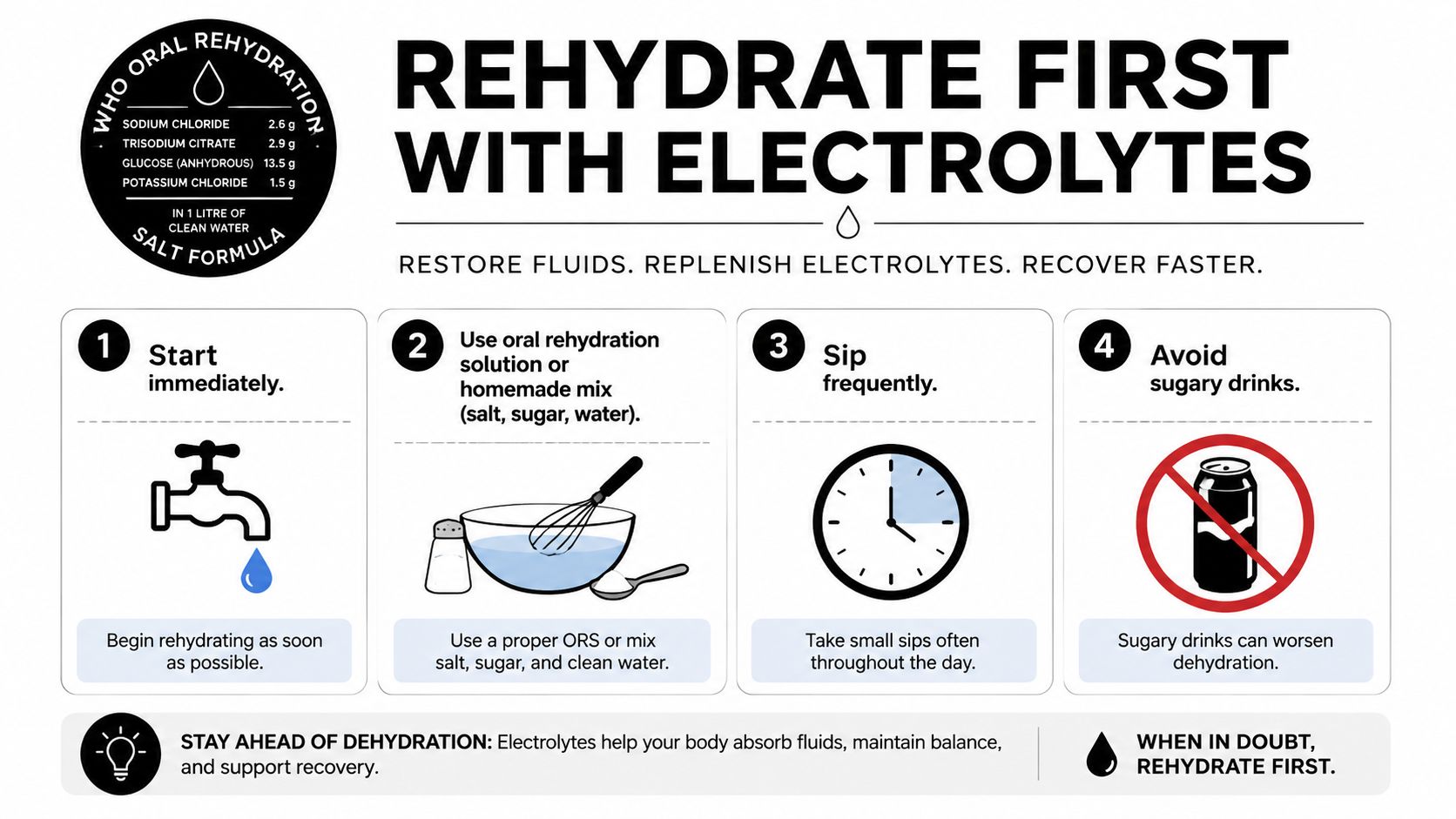
A short video can help if you want to see the rhythm of rehydration laid out visually.
Eat Smart With the BRAT Framework and Beyond
Food can either calm the gut or keep it irritated, and during acute diarrhea that difference shows up fast. The old BRAT pattern, bananas, rice, applesauce, and toast, still works as a short bridge because it's low in fat, easy to digest, and usually gentle when the bowel is already inflamed. It is not a long-term diet, but it can buy you a day while the gut settles.
Use BRAT as a temporary landing zone
BRAT foods help for one simple reason, they don't ask much from the digestive tract. A person who's been running to the bathroom doesn't need a complicated meal plan, they need foods that are bland, low residue, and likely to stay down. Soluble-fiber foods like oats and peeled potatoes can also help firm stool without adding much irritation.
The goal isn't to eat as little as possible. It's to keep meals small and steady so the intestine isn't overwhelmed. That fits the MedlinePlus advice to use small meals throughout the day instead of three large ones. MedlinePlus diarrhea patient instructions
What to avoid because it keeps symptoms going
The NIDDK lists several common triggers that can prolong diarrhea, and the list is practical because it matches what people reach for when they feel sick. Avoid alcohol, caffeine, foods and drinks with large amounts of simple sugars such as fructose and lactose, sugar alcohols in sugarless gum and candy, high-fat foods like fried foods and pizza, and milk products containing lactose. NIDDK eating, diet, and nutrition for diarrhea
- Alcohol: irritates the gut and worsens dehydration.
- Caffeine: can speed bowel movement when you need the opposite.
- Sugary drinks and fruit juice: can pull more water into the bowel.
- Fried or greasy foods: slow digestion in an unhelpful way.
- Milk products with lactose: can be rough if the gut is temporarily sensitive.
A simple reintroduction plan helps. Day one, keep to clear fluids and BRAT-style foods. Day two, add lean protein and cooked vegetables if stools are starting to firm. Day three, return toward your normal diet only if the bowel movements are clearly settling.
Home Remedies That Actually Shorten Symptoms
Some home remedies are just comforting. Others have a mechanism that makes sense. The practical distinction matters because people often waste time on the first group when they need the second.
The options that earn a place
Psyllium husk can help because it's a soluble fiber that bulks stool gently. That makes it more useful when the stool is loose but the situation isn't severe or dehydrating. A small amount with plenty of fluid is the safer way to use it, since fiber without fluid can backfire.
Pectin from cooked apples works in a similar way. It adds structure to stool without the roughness of high insoluble fiber, which is why applesauce shows up in the BRAT pattern and not raw apple slices.
Ginger is the remedy I reach for when nausea rides along with diarrhea. Warm tea or capsules can be a better fit if cramping and queasiness are part of the picture. Chamomile tea has a milder profile and is often better for people who want something soothing without a strong taste.
What I usually skip
Apple cider vinegar gets a lot of attention online, but it doesn't have strong practical support for acute diarrhea and can aggravate acid-related discomfort in some people. In plain terms, it's usually not the tool I'd choose when the gut is already irritated.
If a remedy makes your stomach burn, worsens nausea, or sends you back to the bathroom faster, it's the wrong remedy for that episode.
For simple, short-lived diarrhea, the point is symptom relief, not trying every trendy ingredient. If one of these calming supports helps and the others don't, that's normal. Different causes create different symptom patterns, and the right fit often comes down to whether nausea, cramping, or stool texture is the bigger problem.
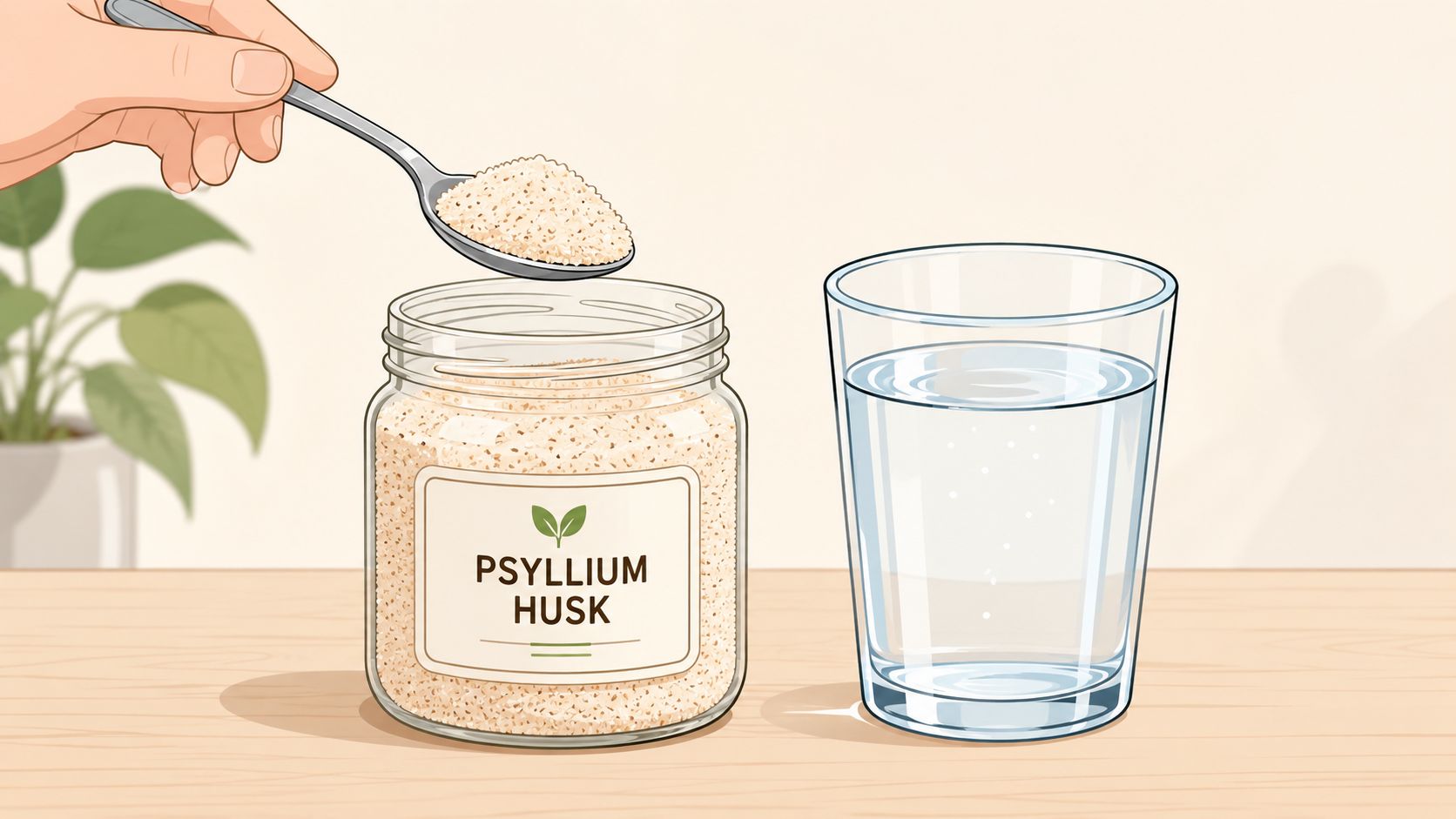
See natural remedies for digestive issues if you want a broader look at how these supports fit into everyday gut care.
Probiotics, Synbiotics, and Enzymes That Target the Cause
Probiotics get mentioned constantly for diarrhea, but the label matters more than the category. A large Cochrane review found that probiotics reduced the duration of acute infectious diarrhea by about 25 hours on average, and that's useful, but it doesn't mean every probiotic works the same way. Mayo Clinic diarrhea treatment
Match the strain to the cause
The American Gastroenterological Association guidance, as summarized in the available clinical reference, points to a strain-specific approach for adult acute infectious diarrhea. Saccharomyces boulardii is one of the strains commonly considered for antibiotic-associated and traveler's diarrhea, while Lactobacillus rhamnosus GG is often used in viral or post-antibiotic cases, and certain Bifidobacterium strains are more relevant in IBS-D patterns. The key idea is simple, strain-specific evidence beats generic probiotic marketing. AGA probiotic guidance summary
| Cause | Best Strain or Remedy | Form | Typical Dose |
|---|---|---|---|
| Antibiotic-associated diarrhea | Saccharomyces boulardii | Capsule | Follow product label |
| Viral or post-antibiotic diarrhea | Lactobacillus rhamnosus GG | Capsule or powder | Follow product label |
| IBS-D pattern | Certain Bifidobacterium strains | Capsule | Follow product label |
| Dairy-triggered loose stools | Lactase | Tablet before dairy | Follow product label |
| FODMAP-related symptoms | Alpha-galactosidase | Capsule with meals | Follow product label |
What to look for on the label
A useful probiotic label should tell you the genus, species, and strain designation, not just “probiotic blend.” It should also show whether the potency is guaranteed at expiry, whether the product has third-party testing, and whether the capsule is delayed-release. Those details matter because a probiotic that degrades before it reaches the gut can't do the job you bought it for.
Synbiotics make more sense after the acute episode starts settling, especially if you want longer-term microbiome support rather than just symptom control. That's where next-generation strains such as Akkermansia muciniphila and Christensenella come into the broader conversation about recovery and barrier support. For readers comparing product types, a targeted probiotic, a synbiotic, and a digestive enzyme all solve different problems.
A product like GutRx fits that kind of comparison-based shopping, because its formulas are built around gut support rather than acute diarrhea treatment. Probiotics and diarrhea context
Your First 24–48 Hour Action Plan
If you're reading this while you still feel awful, sequence matters more than theory. The first hours are about preventing dehydration, not perfecting your diet or trying every remedy at once.
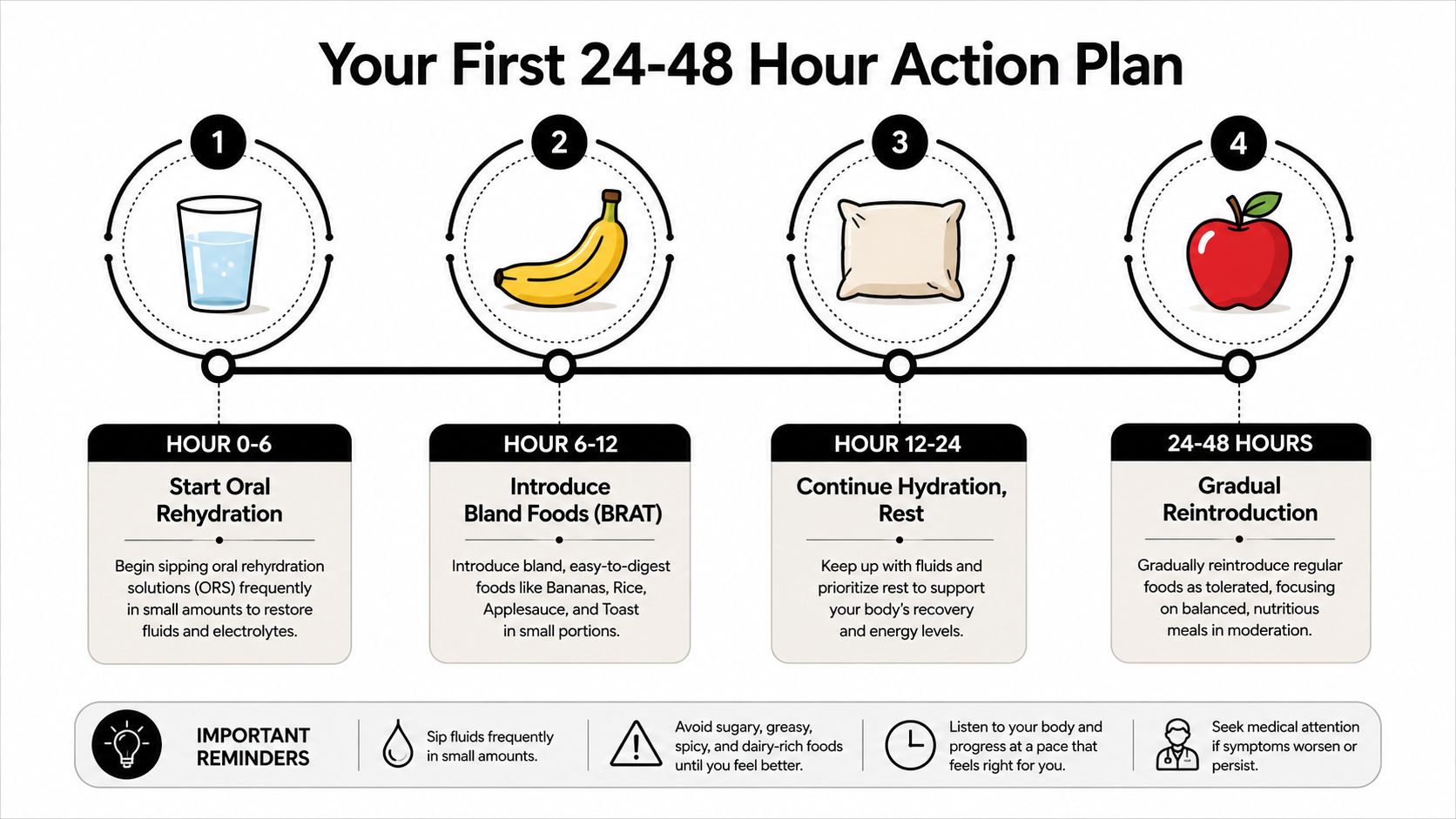
A simple timeline
- Hour 0 to 2: Start sipping oral rehydration fluid. Don't force solid food yet if nausea is strong.
- Hours 2 to 12: Add small BRAT-style meals, keep hydrating, and use ginger or chamomile if cramping or nausea is still there.
- Hours 12 to 24: Check whether stools are starting to firm and whether you're urinating normally.
- Hours 24 to 48: If you're clearly improving, move toward lean protein, cooked vegetables, and a more normal low-residue diet.
This is also the right time to watch how your body responds instead of guessing. If a food makes urgency worse, drop it. If a probiotic seems to help and doesn't increase gas or cramping, keep it steady through the short recovery window.
Screenshot rule: if you need one thing to remember, make it this, rehydrate first, eat lightly, then reintroduce normal foods only when the stool is clearly improving.
Rest matters in this window, too. A gut under stress usually does better when you're not stacking on long work hours, heavy meals, or extra caffeine. Keep the plan boring for a day or two, because boring is often what works.
Red Flags, Recovery, and How to Prevent the Next Episode
Home care has limits. Get medical help if you see blood or mucus in the stool, a fever above 102°F, 39°C, severe abdominal pain, or clear signs of dehydration like dark urine, dizziness, no urination for 8 hours or more, or a rapid heartbeat. Adults should also be evaluated if diarrhea lasts more than 2 days, and children should be seen sooner, after 24 hours. MedlinePlus diarrhea patient instructions
Recovery is about rebuilding, not rushing
Once the worst has passed, the next job is to bring the diet and gut back toward normal without triggering another flare. Reintroduce dairy, fiber, and fatty foods one at a time so you can see what your gut tolerates. That approach helps separate a temporary post-infection gut irritation from a food that is still causing symptoms.
If you want longer-term support, a synbiotic can make more sense than a probiotic alone because it pairs beneficial microbes with the support they need to persist. It does not replace rehydration or a cautious diet, but it may fit better once the acute phase is over and stools are starting to settle.
Prevention depends on the trigger
- Viral patterns: Handwashing and surface cleaning matter most.
- Foodborne patterns: Safe cooking, refrigeration, and food handling are the priority.
- Antibiotic-associated patterns: Ask whether a probiotic fits the medication plan.
- IBS-D patterns: Track trigger foods and stress patterns so the next flare is easier to predict.
The goal is not to stay on bland food or supplements indefinitely. Recover fully, then return to normal eating with fewer surprises next time.
If you want a targeted supplement plan after the acute phase, GutRx offers digestive support formulas built for different gut needs, including daily balance, recovery-focused support, and meal-time enzyme help. Visit GutRx to compare options that fit diarrhea recovery, microbiome repair, and longer-term digestive resilience.


